
01 Mar Exploring the psychology behind casino gambling behavior
The Allure of Gambling: Understanding the Thrill
The psychological appeal of casino gambling is deeply rooted in the thrill it provides. For many, stepping into a casino triggers an adrenaline rush akin to roller coaster rides; the lights, sounds, and atmosphere create a sensory overload that heightens excitement. This environment, often designed to keep players engaged for hours, can induce a state of euphoria as gamblers chase the thrill of winning. The unpredictability of outcomes serves to amplify this feeling, making each turn of a card or spin of a slot machine feel like a chance to strike it rich, especially when considering the best poker sites.
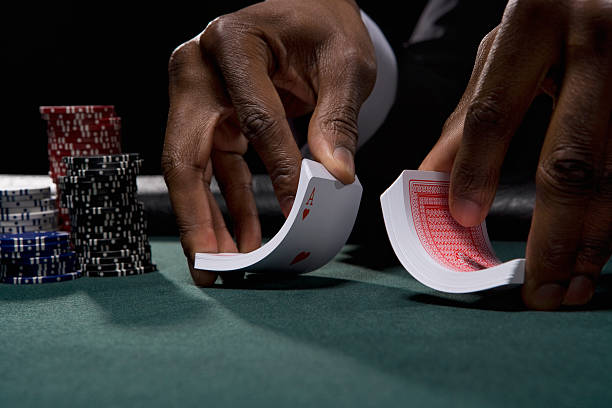
Moreover, the concept of intermittent reinforcement plays a significant role in reinforcing gambling behavior. Unlike consistent rewards, the sporadic nature of wins creates an addictive cycle where the occasional victory keeps players returning for more, despite the overall loss. This psychological phenomenon is well-explained by behavioral psychology, whereby the unpredictability of rewards can lead to persistent gambling behavior.
The Role of Cognitive Biases in Gambling
Cognitive biases significantly influence gambling behavior, leading players to make irrational decisions based on distorted perceptions of risk and reward. One common bias is the illusion of control, where gamblers believe they can influence the outcome of games of chance. This is particularly evident in games like dice and poker, where players feel that their skill affects the result, despite the inherent randomness involved. Understanding these biases can be crucial for those grappling with the effects of gambling, especially when the outcomes remain uncertain.
Another bias is the gambler’s fallacy, where individuals mistakenly believe that past outcomes can predict future results. For instance, a player might think that after a series of losses, a win is “due.” Such thinking can lead to escalating bets in an attempt to recoup losses, further entrenching individuals in unhealthy gambling patterns.
The Social Aspects of Casino Gambling
Gambling is often viewed as a social activity, where friends and family gather to share experiences, which can enhance the enjoyment and allure of casinos. The communal atmosphere creates a sense of belonging, allowing players to bond over shared hopes and dreams of winning big. This social factor can be particularly compelling, drawing individuals to casinos not only for the gaming but also for the companionship and the overall experience.
However, the social aspect of gambling can also have a darker side. It may normalize excessive gambling behavior and encourage risk-taking among peers. The desire to fit in or impress others can lead to poor financial decisions and unhealthy habits, blurring the lines between social enjoyment and detrimental gambling habits.
The Emotional Triggers Behind Gambling Addiction
Emotions play a crucial role in gambling behavior, often driving individuals to gamble as a means of escaping their reality. Many people turn to casinos during times of stress, sadness, or boredom, using gambling as a coping mechanism. The temporary high that comes from winning can serve as a powerful antidote to negative emotions, at least in the short term.
However, this reliance on gambling for emotional relief can lead to a vicious cycle. As individuals become more dependent on the highs of gambling, they may neglect other aspects of their lives, including relationships, work responsibilities, and overall wellbeing. This emotional rollercoaster contributes to the prevalence of gambling addiction, as individuals struggle to regain control over their compulsions.

Supporting Veterans and Their Families in Gambling Recovery
At HelpForOurHeroes.com, we recognize the unique challenges faced by veterans and their families, particularly concerning gambling behaviors and addiction. Our mission is to provide valuable resources and community connections that assist those who have served. We understand that gambling can sometimes become a coping mechanism for the stressors that veterans encounter, and addressing this issue is vital for their recovery.
By offering guidance on available support systems, mental health resources, and programs tailored specifically for veterans, we aim to foster a supportive environment. We invite veterans and their families to explore the wealth of information available on our platform, helping them to navigate the complexities of gambling behavior while honoring their sacrifices and ensuring they receive the care they deserve.
Sorry, the comment form is closed at this time.